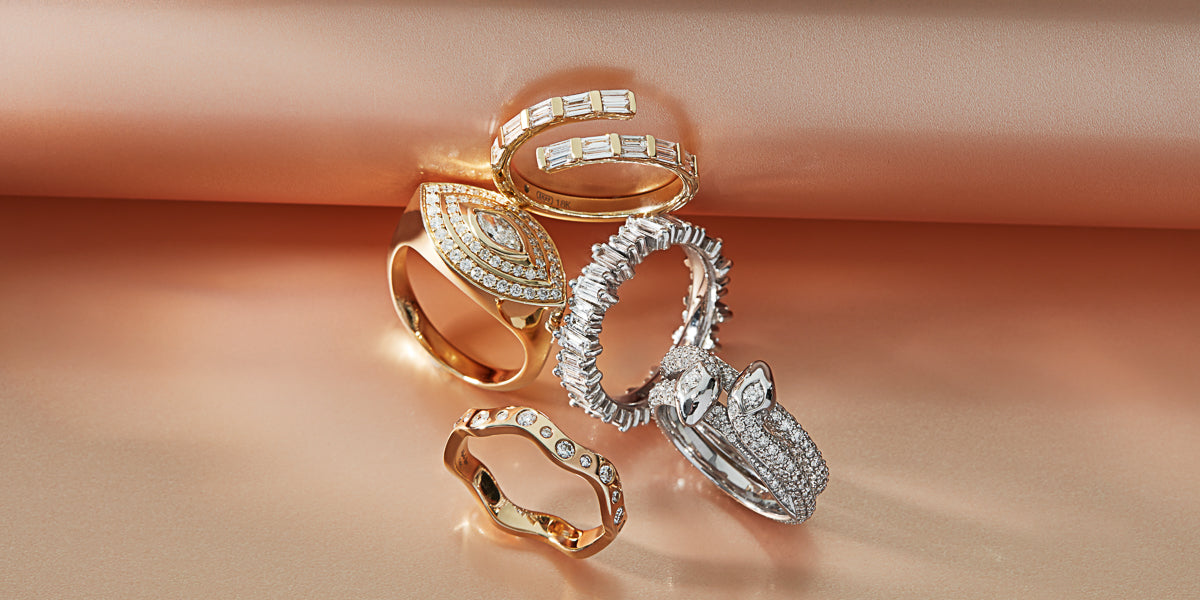

Lab Grown Diamond Wedding Bands: A Modern Choice for Timeless Love
When it comes to choosing a wedding band, couples today are looking for more than just beauty—they want ethics, sustainability, and value. Lab grown diamond wedding bands are emerging as a popular choice for those who want all of these qualities without compromising on elegance. These rings offer the same sparkle, durability, and romance as traditional mined diamonds, but with a modern twist that reflects the values of today’s couples.
What Are Lab Grown Diamonds?
Lab grown diamonds, also called man made diamonds, are diamonds that are created in controlled laboratory environments rather than being mined from the earth. Using advanced technological processes, these diamonds replicate the natural formation of diamonds, producing stones that are chemically, physically, and optically identical to mined diamonds.
Unlike traditional diamonds, which can take millions of years to form, lab grown diamonds can be produced in a matter of weeks. This accelerated growth process doesn’t compromise quality—these diamonds still offer the same hardness, brilliance, and clarity as natural diamonds, making them a perfect choice for everyday wear like wedding bands.
The Advantages of Lab Grown Diamond Wedding Bands
Couples are increasingly drawn to lab grown diamond wedding band for several compelling reasons:
1. Ethical and Sustainable
One of the most significant advantages of man made diamonds is their ethical production. Traditional diamond mining can sometimes involve environmentally damaging practices and labor issues. Lab grown diamonds, in contrast, have a minimal environmental footprint. Their creation requires significantly less land disruption and energy compared to mining, and the process is free from the conflicts sometimes associated with mined diamonds. For socially conscious couples, this offers peace of mind knowing their wedding band aligns with their values.
2. Cost-Effective Without Compromise
Lab grown diamonds also tend to be more affordable than their mined counterparts. Because they are produced in a controlled environment, supply can be adjusted to meet demand, which helps keep prices competitive. This cost efficiency allows couples to opt for larger or higher-quality diamonds without stretching their budgets. Essentially, you get the sparkle and prestige of a diamond wedding band while keeping your wallet happy.
3. Customization and Variety
Another appealing aspect of lab grown diamonds is the level of customization they allow. Jewelers can craft wedding bands in a range of sizes, shapes, and colors, offering flexibility to match each couple’s unique style. Whether you prefer a classic solitaire band, a halo setting, or a modern eternity band, man made diamonds can be tailored to create a look that is entirely your own.
Furthermore, lab grown diamonds can be produced in rare colors like blue, pink, or yellow—options that are often prohibitively expensive in natural stones. This opens the door to creative, personalized designs that stand out.
Durability and Everyday Wear
Wedding bands are meant to last a lifetime, which makes durability a top concern. Lab grown diamonds are just as hard as mined diamonds, ranking a 10 on the Mohs hardness scale. This means they are highly resistant to scratches and abrasions, making them ideal for daily wear.
In addition, the metal choices for these bands—ranging from platinum and white gold to rose gold and titanium—complement the diamond’s strength. This combination ensures that your wedding band maintains its brilliance and structural integrity for decades, reflecting a love that is built to endure.
Misconceptions About Lab Grown Diamonds
Despite their growing popularity, some people still have misconceptions about lab grown diamonds. A common myth is that these diamonds are “fake” or “less valuable.” In reality, man made diamonds are genuine diamonds. They are composed of the same carbon structure, exhibit the same optical properties, and are indistinguishable from mined diamonds to the naked eye and even under professional examination without specialized tools.
Another misconception is that lab grown diamonds are somehow “less romantic.” For many couples, the story behind the diamond adds to its significance. Choosing a lab grown diamond wedding band can symbolize a commitment to sustainability, ethical choices, and modern values—qualities that resonate deeply in today’s relationships.
Choosing the Perfect Lab Grown Diamond Wedding Band
When selecting a lab grown diamond wedding band, consider the same factors you would for any diamond: cut, clarity, color, and carat weight. The cut influences brilliance, clarity affects the stone’s transparency, and color can subtly impact the overall look of the ring.
It’s also essential to choose a reputable jeweler who provides certification for their lab grown diamonds. Certifications from recognized organizations ensure that the stone meets industry standards, giving you confidence in your purchase.
Finally, think about your lifestyle. If you lead an active life, a more robust setting may be ideal, while a delicate design might suit someone who prefers understated elegance. Lab grown diamonds are versatile enough to accommodate both practical needs and aesthetic desires.
Conclusion: A Brilliant Choice for Modern Couples
Lab grown diamond wedding bands offer a unique combination of beauty, ethics, and affordability, making them an increasingly popular choice for couples who want their rings to reflect both their love and their values. With the same sparkle, durability, and timeless appeal as natural diamonds, these man made diamonds allow couples to invest in a meaningful piece of jewelry without compromise.
In a world where conscious consumerism is gaining importance, choosing a lab grown diamond wedding band is not just a fashion statement—it’s a reflection of thoughtfulness, sustainability, and modern romance. Whether you’re drawn to their ethical origins, cost-effectiveness, or endless design possibilities, these rings provide a way to celebrate love in a style that’s truly your own.